After months of planning and a busy summer of festivals across the city, Ottawa’s Chinatown Mid Autumn Night Market reopens on Friday, September 25, 2026 for a three day run along Somerset Street West. Organizers have scheduled evening markets, daytime vendor hours, cultural performances and family activities through Sunday, September 27. The event is a familiar fall anchor for the neighbourhood, and this year’s edition is being framed as a return to community celebration and small business support.
A long night market weekend, and what to expect
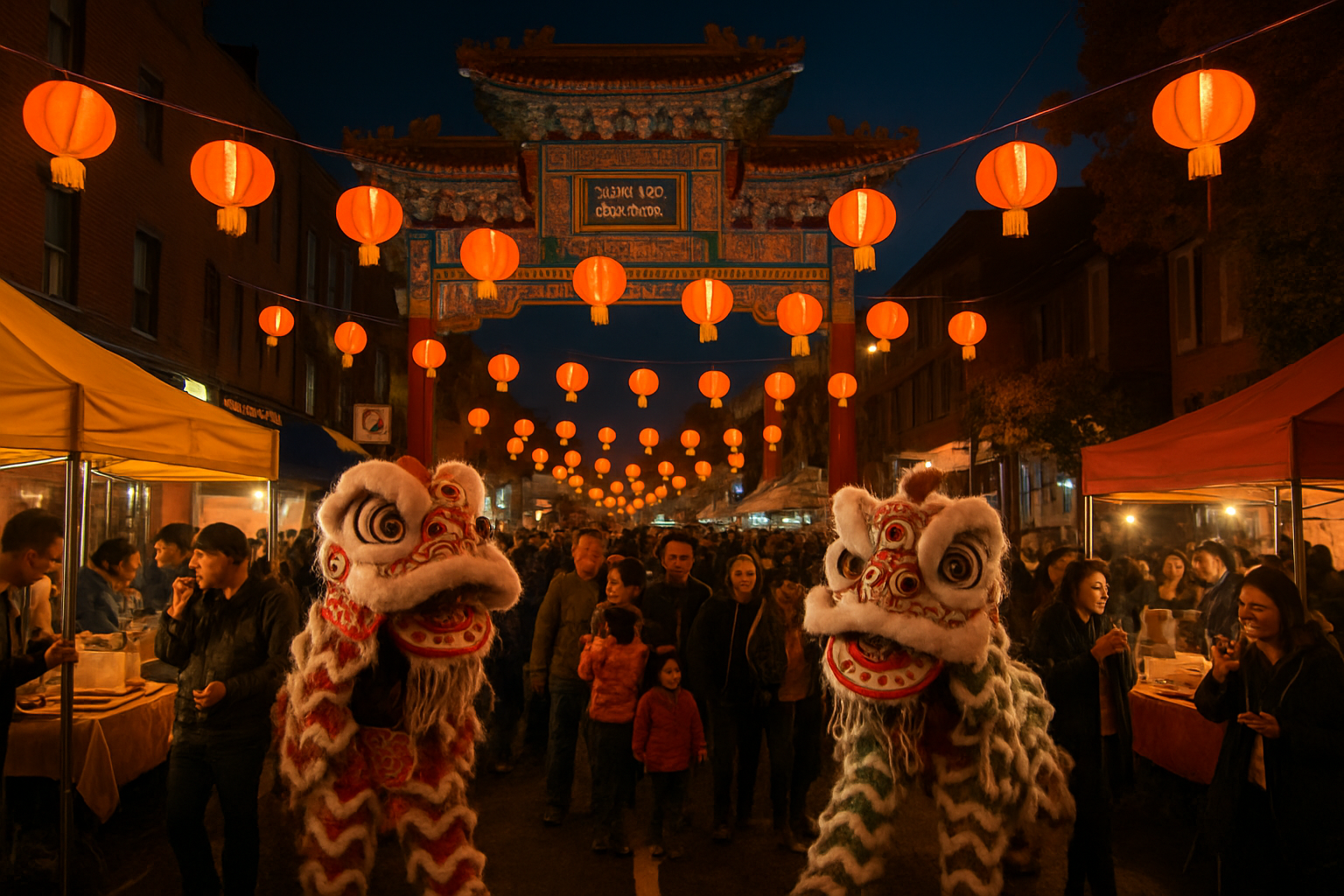
The street will be closed between Bronson Avenue and Bell Street for the market. Programming includes food stalls offering dumplings, noodle dishes, bubble tea and pan Asian street plates, artisan vendors selling crafts and gifts, and a lineup of cultural performances, with lion dance troupes and martial arts demonstrations scheduled across the weekend. Opening hours include a Friday evening kickoff, full days on Saturday and Sunday, and late night offerings intended to recreate the busy evening spirit of markets in Asia. Organizers say they are aiming for a mix of long standing Chinatown businesses and newer vendors, with family friendly activities scheduled throughout the daytime hours.
Why the market matters to Chinatown and the city
The Mid Autumn Night Market has become a visible expression of Chinatown’s role as a cultural anchor for Chinese Canadians and the broader pan Asian community in Ottawa. For many residents and visitors the market is the easiest way to experience traditional performances, seasonal foods and goods tied to the mid autumn season, including moon cakes and lantern displays. Local business representatives say the event also generates critical foot traffic for small shops that depend on festival weekends to make a meaningful share of their annual revenue.
Community organisers and local tourism officials describe the market as civic programming that both celebrates heritage and invites cross cultural exchange. For newcomers and long term residents alike, the market offers a concentrated, accessible way to sample cuisines, arts and languages that might otherwise be dispersed across the region. City tourism planners point to the market as part of a broader strategy to reanimate downtown streets with cultural events that support local shops and neighbourhood life.
Balancing authenticity, scale and neighbourhood concerns
As the event grows in popularity, organisers face familiar trade offs. Long time community members say they want the market to preserve its local identity, while visiting crowds and regional festivalgoers push demand for expanded programming and more commercial vendors. Local advocates have urged organisers to prioritize Chinatown businesses and community groups when allocating stall space, to ensure the market remains rooted in the neighbourhood rather than shifting into a generic food fair.
City notices and the market permit outline plans for street closures, emergency access and cleanup. Market managers say they will work closely with the Chinatown Business Improvement Area and with city staff to manage noise, public safety and waste. Previous editions of the market drew large crowds that sometimes created long lines at popular food stalls, and organisers say they will use a mix of vendor placement, extended hours and crowd control measures to smooth busy periods.
Economic lift for small vendors
For many vendors, night markets are a practical engine for small business growth. A weekend market presence can translate into repeat customers, wholesale leads for packaged goods, and increased awareness for brick and mortar businesses further down Somerset Street. Indigenous and immigrant entrepreneurs who run food stalls often cite festival weekends as essential for testing new menu items, building social media followings and building staff experience for busier seasons.
Organizers also say they are promoting late fall and winter programming for Chinatown, to convert one off festival visitors into regular customers. This approach mirrors strategies used in other Canadian cities where successful night markets have become ongoing cultural draws, not just one weekend spectacles.
What to plan if you go
Visitors are advised to arrive by transit or on foot when possible, as street closures and increased pedestrian density can make driving and parking difficult. The market runs rain or shine, with some vendor tents and indoor spillover spaces in nearby community venues. Cash remains useful for small purchases, but many vendors now accept card payments and mobile wallets. Families with children should expect lively performance schedules and accessible daytime programming. Attendees should also respect local public health guidance and organisers requests about waste sorting and respectful behaviour around performers and elders.
Beyond the immediate pleasures of food and performances, the market’s return is a reminder of how small scale cultural festivals anchor neighbourhood identity and provide tangible support to independent businesses. For Chinatown, the Mid Autumn Night Market remains both a seasonal celebration and a practical engine for downtown life, bringing neighbours and visitors together over food, music and community ritual.