Beyond the Skyline: Hong Kong’s Outdoor and Cultural Side Is Winning Back Visitors
Mention Hong Kong and several images immediately come to mind.
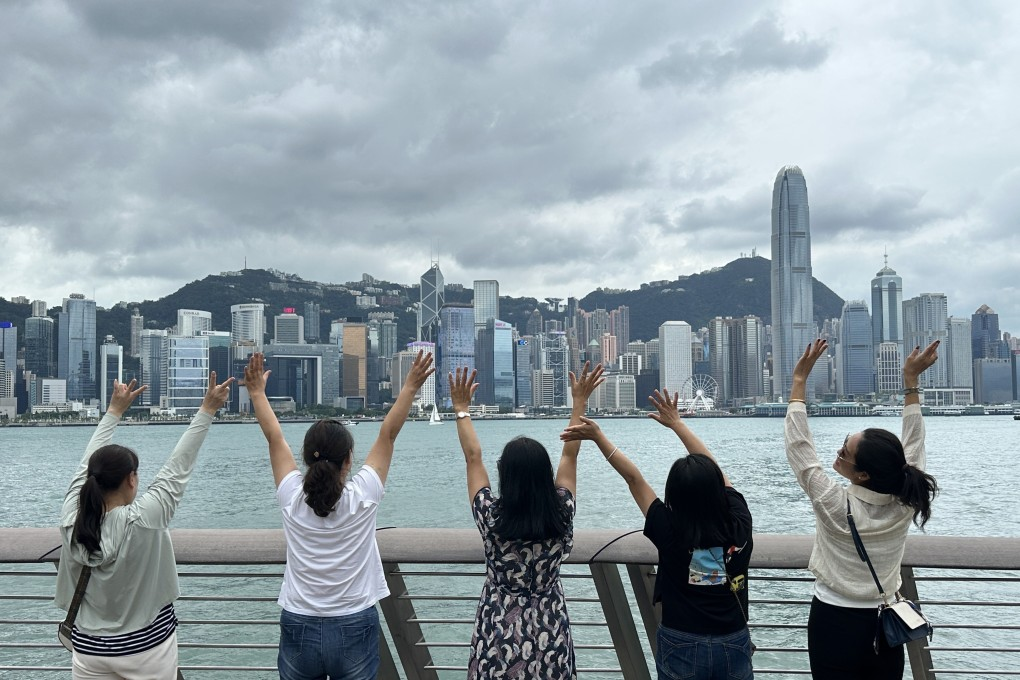
Towering skyscrapers. Crowded streets. Neon signs. Financial districts. Shopping centres. Ferries crossing Victoria Harbour.
But those images reveal only one part of the city.
Beyond the dense urban centre, Hong Kong contains extensive country parks, hiking trails, beaches and more than 260 islands. At the same time, a growing collection of museums, restored heritage spaces, independent shops and neighbourhood cafés is adding another dimension to its cultural identity.
For travellers returning to Hong Kong, the attraction is increasingly the contrast.
A morning can begin between skyscrapers and end beside an isolated stretch of coastline.
A City Where Nature Is Surprisingly Close
One of Hong Kong's most unusual characteristics is how quickly the landscape changes.
The city is among the world's most recognisable high-density urban environments, yet mountains and coastal landscapes sit remarkably close to developed neighbourhoods.
That makes outdoor recreation unusually accessible.
Visitors do not necessarily need to choose between a city break and a nature-focused holiday.
They can experience both.
Reuters' recent local guide highlights destinations including Tai Long Wan on the Sai Kung peninsula, where turquoise water and beaches create an environment that feels far removed from Hong Kong's commercial districts.
The bay can be reached by boat from Sai Kung or through hiking routes in the surrounding country park.
That journey itself illustrates Hong Kong's geographical character.
Urban density can disappear remarkably quickly.
Hiking Has Become Part of the Hong Kong Experience
Hiking has long been part of local life, but it has also become increasingly important to how international visitors experience the city.
Trails provide elevated views across mountains, reservoirs, islands and the South China Sea.
The famous Dragon's Back route is one example of how easily visitors can combine outdoor activity with a city itinerary.
This creates a different kind of travel experience.
Instead of spending an entire trip moving between indoor attractions, tourists can divide their time between neighbourhoods, museums, restaurants and nature.
For travellers increasingly interested in active holidays, that flexibility can be especially attractive.
Food Remains Central to the City's Identity
Of course, experiencing Hong Kong without discussing food would be almost impossible.
Food is embedded deeply in everyday culture.
Dim sum restaurants remain part of the city's international image, but the wider dining scene stretches from traditional neighbourhood establishments to cafés and high-end restaurants.
Street-level dining can reveal as much about the city as famous landmarks.
A small restaurant filled with local customers at lunchtime offers a different experience from a polished dining room overlooking the harbour.
Neither is necessarily more authentic.
Together they show how Hong Kong's food culture operates across generations and income levels.
The city also continues to absorb international influences while maintaining recognisable Cantonese traditions.
That constant mixture is part of what keeps the food scene dynamic.
Old Neighbourhoods Are Finding New Audiences
For travellers who want something beyond large shopping malls, neighbourhoods such as Sham Shui Po have developed reputations for independent stores, cafés and street-level culture.
Mong Kok remains known for its dense shopping environment, including Fa Yuen Street's sneaker and streetwear shops, while Wan Chai continues to attract shoppers looking for electronics.
These districts offer something increasingly valuable in modern travel: texture.
Global cities can sometimes begin to feel similar when visitors spend most of their time inside international hotel chains and luxury malls.
Neighbourhood exploration creates a different connection.
Markets, older buildings, local restaurants and small shops provide clues about how residents actually use their city.
Hong Kong Has Invested Heavily in Art
The city's cultural landscape has also changed considerably.
One of the most important developments has been the expansion of the West Kowloon Cultural District.
The M+ museum has become a major institution for visual culture, while the Hong Kong Palace Museum provides another large cultural destination in the same area.
These institutions expand Hong Kong's identity beyond finance, shopping and food.
They also give visitors reasons to spend longer exploring the city.
Museums can play an important role in urban tourism because they provide something that cannot simply be replicated through online shopping or digital entertainment.
They connect people with physical objects, design, history and place.
Heritage Can Coexist With Modern Culture
Hong Kong's cultural evolution is not simply about constructing new buildings.
Historic spaces are also being repurposed.
Tai Kwun, for example, transformed a former police and prison complex into a heritage and arts destination.
Projects like this demonstrate how cities can preserve older architecture without freezing it in time.
A historic building can become part of contemporary life rather than simply a monument people photograph from outside.
That approach has become increasingly common internationally as cities search for ways to preserve character while adapting to new economic and cultural uses.
Public Transport Makes Exploration Easier
Hong Kong's transport network is another important part of its lifestyle.
The MTR allows visitors to move quickly between major districts, while buses extend access further into residential and rural areas.
Then there are the transport experiences that have become attractions themselves.
The Star Ferry crossing Victoria Harbour remains one of the simplest ways to experience the skyline.
Hong Kong's trams provide another slower view of the urban environment.
This matters because good public transport changes how tourists interact with a city.
Visitors can explore independently rather than relying entirely on taxis or organised tours.
That encourages spontaneous travel.
Someone can discover a neighbourhood in the morning, change plans over lunch and cross the harbour later without needing an elaborate itinerary.
Shopping Is Changing Too
Hong Kong has long been one of Asia's major shopping destinations.
But modern shopping habits are changing.
E-commerce gives consumers access to products that once required international travel.
Nearby mainland Chinese cities also compete for shoppers.
That means the experience surrounding shopping becomes more important.
Visitors may still explore major malls such as IFC or Times Square, but streetwear districts, independent boutiques and neighbourhood stores can offer something online retail cannot: a sense of place.
The same transformation is occurring in cities around the world.
Retail is becoming partly experiential.
People want to discover something rather than simply purchase it.
The Appeal Is in the Contrast
Perhaps Hong Kong's strongest lifestyle advantage is that it does not require visitors to choose one version of the city.
There is the vertical city of glass towers.
There is the harbour city connected by ferries.
There is the food city of dim sum and neighbourhood restaurants.
There is the cultural city of museums and heritage buildings.
And there is the outdoor Hong Kong of beaches, trails and islands.
Those identities exist remarkably close together.
That makes it possible to spend the morning hiking, eat lunch in a dense urban neighbourhood, visit a contemporary-art museum in the afternoon and watch the harbour skyline after sunset.
Few destinations combine those experiences within such a compact area.
Modern Travel Is Becoming More Local
There is also a broader lifestyle trend behind this.
Many travellers increasingly want experiences that feel connected to everyday local life.
They still visit famous landmarks.
But they also search for neighbourhood cafés, markets, walking routes, local restaurants and places where residents spend their own free time.
Social media has contributed to this shift by making lesser-known locations easier to discover.
At the same time, overcrowding at famous attractions has encouraged some travellers to search for alternatives.
Cities with diverse neighbourhoods and accessible natural areas can benefit from that change.
Hong Kong fits particularly well into this style of travel.
A Different View of Hong Kong
Hong Kong will probably always be associated with its skyline.
It should be.
Few urban views are as immediately recognisable.
But the city's identity becomes much richer once visitors move beyond that image.
More than 260 islands, extensive hiking opportunities, beaches, neighbourhood shopping, Cantonese food traditions and a growing museum scene create a destination that can feel completely different depending on where someone spends the day.
That variety may be one of Hong Kong's strongest advantages as international visitors return.
The skyscrapers attract attention.
The experiences hidden behind them can provide the reason to stay longer.