
For a generation that grew up with smartphones, streaming platforms and social media, one of the most interesting lifestyle trends is moving in the opposite direction.
Young consumers are showing renewed interest in experiences that require little or no screen time: vinyl records, physical books, compact cameras, handwritten journals, crafts, board games and social spaces designed around face-to-face interaction rather than constant connectivity.
The trend is often described online as “analog living” or an “analog lifestyle.” It does not necessarily mean abandoning smartphones or modern technology. Instead, it reflects an attempt to create parts of everyday life that are slower, more physical and less dependent on notifications and algorithmic feeds.
Why Analog Living Is Appealing Again
Digital technology has made communication, entertainment, shopping and work dramatically more convenient. But that convenience also means screens occupy an extraordinary amount of everyday life.
A person can wake up to a phone alarm, read messages, check social media, work on a laptop, order food through an app, watch streaming television and then return to the same phone before sleeping.
Against that background, physical activities can feel unusually different.
Reading a printed novel requires no battery. Taking photographs with a dedicated camera separates photography from social-media notifications. Writing in a notebook creates a different experience from opening another app.
The attraction is partly about creating boundaries between online and offline life rather than rejecting technology completely.
The Digital-Detox Conversation Is Growing
Concerns about the amount of time people spend online are not limited to lifestyle influencers.
Governments, researchers, schools and technology companies continue debating how social-media use affects young people. Several countries are considering or implementing stronger age restrictions for social platforms, while parents and educators are paying greater attention to digital habits.
That broader debate has helped make concepts such as digital detox, screen-time reduction and phone-free spaces increasingly familiar.
Analog living offers a lifestyle-oriented response. Instead of concentrating only on restricting technology, it asks what people might choose to do with the time they recover.
Vinyl Records Show Physical Media Still Matters
Music provides one of the clearest examples of the appeal of physical media.
Streaming gives listeners almost instant access to enormous music libraries, yet vinyl records have maintained a substantial cultural presence. For some consumers, buying a record provides something streaming cannot reproduce: a physical object with artwork, packaging and a deliberate listening experience.
The same idea is visible elsewhere.
Printed books coexist with e-readers. Film and compact cameras exist alongside extraordinarily capable smartphone cameras. Physical notebooks remain popular despite an abundance of digital productivity tools.
Convenience has not eliminated the desire to own and interact with physical things.
Compact Cameras Have Found a New Audience
One particularly visible trend has been renewed interest in compact digital cameras.
Older point-and-shoot cameras that once seemed technologically obsolete have become fashionable among younger users looking for a different visual aesthetic from modern smartphones.
The imperfections are often part of the attraction.
Flash-heavy photographs, limited resolution and early-digital colour rendering can produce images that look noticeably different from the highly processed photographs generated by modern phones.
Social media has ironically helped accelerate this analogue-adjacent trend. Images created using older cameras are frequently uploaded to TikTok and Instagram, meaning digital platforms are helping revive technologies that initially appear to represent an escape from them.
Journaling and Scrapbooking Fit the Same Pattern
Handwritten journals, planners and scrapbooks are also part of the broader movement.
Digital calendars and note-taking applications are faster and searchable, but handwriting introduces friction. That slower process is precisely what some people value.
A journal does not automatically generate notifications. A scrapbook cannot suddenly switch into a social-media feed. These physical formats encourage a person to remain focused on a single activity.
Craft hobbies can provide a similar experience, which helps explain renewed enthusiasm around knitting, pottery, painting and other hands-on activities.
The Trend Is Also Changing Social Spaces
Analog living is not limited to products people buy.
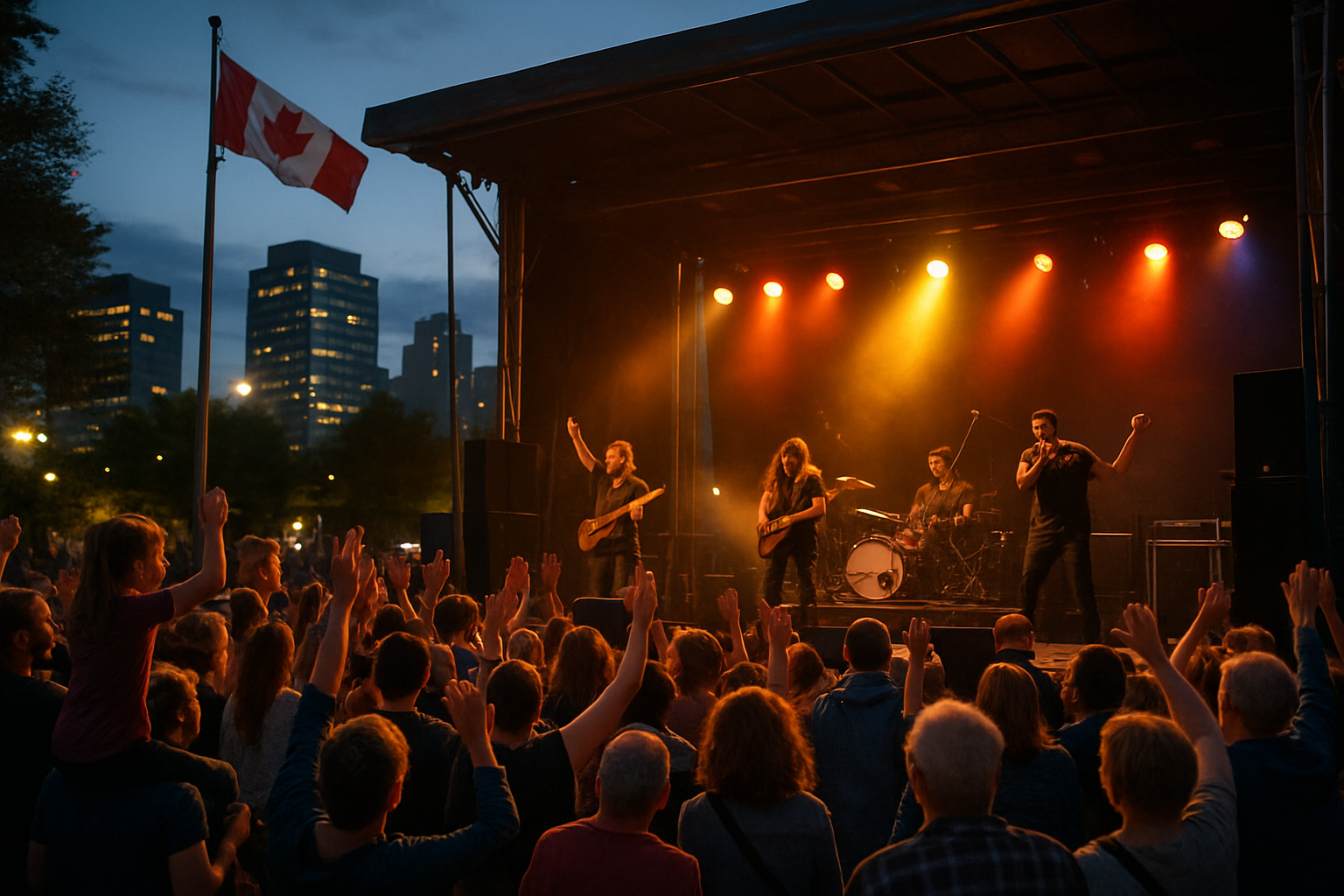
Phone-free dinners, reading clubs, running groups, craft workshops and other offline gatherings have become part of a wider search for social experiences that do not revolve entirely around screens.
That has commercial implications.
Cafes, bookstores, entertainment venues and hospitality businesses can create experiences around community rather than simply selling products. Events such as book clubs, listening sessions and creative workshops provide reasons for customers to spend time together in physical locations.
In an economy where almost anything can be ordered online, the experience of being somewhere can itself become valuable.
Fashion Is Revisiting the Past Too
The same cultural instinct is visible in fashion.
Styles associated with the 1990s and 2000s have repeatedly returned, while vintage clothing and resale platforms have made older pieces accessible to younger consumers.
Nostalgia does not necessarily require someone to have personally experienced the period being referenced.
A teenager can become interested in a 1990s camera, an early-2000s fashion aesthetic or vinyl records produced decades before they were born. Online culture makes previous eras searchable and remixable.
That creates an unusual cycle: digital platforms accelerate nostalgia for periods remembered as less digital.
Brands Are Paying Attention
Companies have recognised the commercial opportunity.
Products that emphasise craftsmanship, physical ownership, simplicity or nostalgia can stand out in markets dominated by digital services. Limited-edition physical releases, retro product designs and deliberately minimalist technology all tap into similar consumer preferences.
The challenge is authenticity.
Once a lifestyle trend becomes popular enough, brands inevitably attempt to market around it. Consumers may distinguish between products that genuinely improve an offline experience and those that simply attach an “analog” aesthetic to another unnecessary purchase.
Analog Does Not Mean Anti-Technology
The most useful way to understand the trend is not as a battle between old and new technology.
Most young consumers interested in analogue activities still use smartphones, streaming platforms, online shopping and social media. Many discover their offline hobbies through TikTok, YouTube or Instagram in the first place.
The difference is intentionality.
Technology becomes something used for particular purposes rather than something occupying every available moment.
Someone might stream music while commuting but play a vinyl record at home. They might take everyday photographs on a smartphone while bringing a compact camera to a party. They might use messaging apps throughout the week and still choose a phone-free dinner with friends.
Those behaviours can coexist.
Why This Trend Could Last
Individual products associated with analog living will inevitably rise and fall in popularity. Today's compact-camera obsession may eventually be replaced by another nostalgic technology.
But the underlying motivation may prove more durable.
Screens are unlikely to disappear from modern life. Artificial intelligence, augmented reality and increasingly personalised digital services may make technology even more integrated into everyday routines.
That could make deliberate offline experiences more valuable rather than less.
The future of lifestyle may therefore contain an unexpected contradiction: the more advanced digital life becomes, the more people may value moments when technology is deliberately absent.
Analog living is not necessarily about returning to the past.
For many younger consumers, it is about deciding how much of the future they actually want on their screen.