India signals strategic turn in trade policy as principal secretary warns tariffs and export controls are being weaponised
India cautioned on October 3 that tariffs, export controls and other trade restrictions are increasingly serving strategic purposes, injecting new uncertainty for exporters, global supply chains and foreign investors. The remarks, delivered at a major economic conclave, outline a policy tension between resilience and openness that businesses and trade partners will need to navigate.
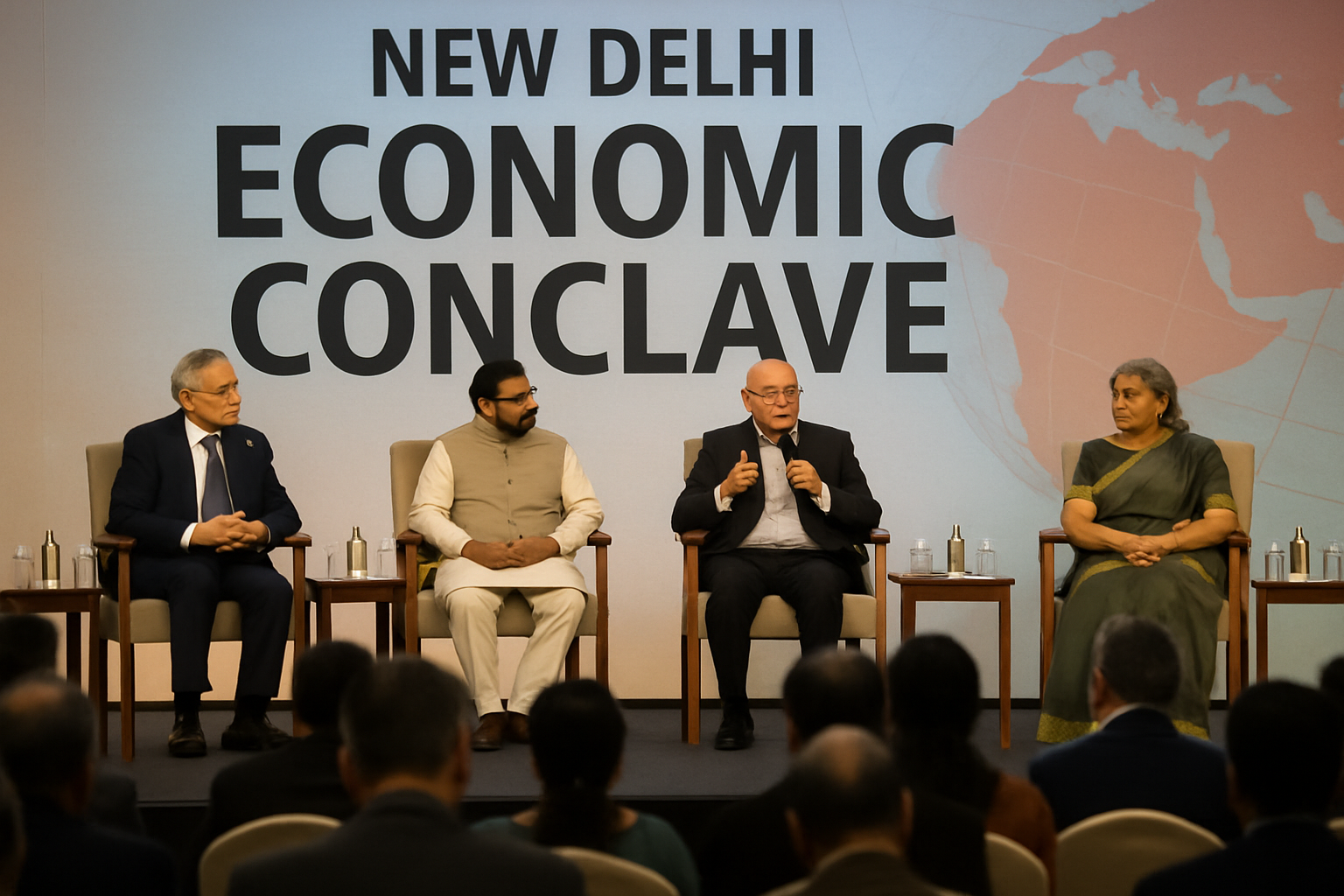
New Delhi India’s top policy officials signaled a more cautious stance toward global trade on October 3, warning that instruments such as tariffs and export controls are being deployed for geopolitical objectives rather than solely commercial ones. The comments, made by the Principal Secretary to the Prime Minister at the Kautilya Economic Conclave in New Delhi, mark a clear statement that Delhi is recalibrating how it evaluates openness and resilience in supply chains and industrial strategy. The official said that the international trade landscape now features a growing number of restrictions used for strategic ends, a shift that raises costs and uncertainty for governments and private firms. The emphasis was on striking a balance between retaining the productivity benefits of global integration and building domestic capabilities in sectors where external dependence creates strategic vulnerability. Why the statement matters India is one of the world’s largest trading nations and a key node in several global supply chains, from pharmaceuticals to electronics to textiles. A shift in how New Delhi thinks about tariffs and export controls will have repercussions for exporters, foreign investors and multinational companies that rely on India as a production base or market. First, when trade tools are used for strategic reasons, they can be less predictable. Market players price in not only commercial cycles and demand patterns but also geopolitical calculations. That increases the cost of hedging and makes long term contracts more difficult to write. Exporters in India that depend on just a few foreign buyers or inputs could face sudden restrictions or retaliatory measures that affect revenues and margins. Second, the message reinforces recent policy moves by New Delhi to promote domestic manufacturing in selective strategic areas. Over the last several years India has expanded incentives and local content requirements across sectors deemed critical. The new framing suggests those efforts will continue and could accelerate where Delhi sees concentrated external risk. Third, international investors will watch for how these ideas translate into concrete policy. Measures such as higher tariffs, tighter licensing regimes, or new export controls could raise the effective cost of doing business in India for some foreign firms, even while supporting local industry in others. The overall investment calculus will depend on sector specific detail and implementation. What businesses should expect next Policy signals of this kind rarely translate into a single sweeping measure overnight. Rather, expect a mix of actions tailored to specific sectors that the government views as strategically sensitive. Those could include calibrated tariff increases for particular product lines, tighter oversight of outbound shipments of critical inputs, new screening rules for foreign acquisitions in targeted industries, and incentives to build local supply capacity. For Indian exporters and domestic manufacturers the immediate priority will be scenario planning. Firms should review their supplier footprints to identify concentrations of risk by geography and by single suppliers, and consider diversification where feasible. Exporters may also need to strengthen contractual protections and look for insurance or financing products that cover policy risk. For multinational companies operating in India, the development argues for closer engagement with policymakers to clarify how any new rules will be applied and phased. Firms that can demonstrate local value added or technology transfer may find more favorable treatment where Delhi seeks to shore up domestic capabilities. Broader macroeconomic context The remarks come as India pursues robust growth while managing external shocks that have periodically disrupted supply chains worldwide. Policymakers have repeatedly emphasized macroeconomic stability and the need for strategic autonomy in critical inputs. At the same time, India has continued to sign trade agreements and court foreign investment, presenting a dual objective of openness and resilience. Analysts note that this balancing act is difficult. Raising protection selectively can help nurture domestic industries but can also invite retaliation and raise costs for consumers and downstream producers. The key challenge for policymakers will be to design interventions that reduce strategic vulnerability without undermining competitiveness. How trade partners may respond Major trading partners and multinational firms will be assessing whether India’s reorientation represents temporary risk management or a longer term shift in trade posture. If New Delhi opts for narrowly targeted measures that are transparent and temporary, many trading partners may accommodate them as legitimate responses to concentrated risk. If measures are broad or opaque, they could provoke trade disputes or push foreign purchasers and investors to accelerate diversification away from India. What to watch next Market participants and observers should watch for concrete steps from the government and ministries that would implement trade, investment and industrial policy. Announcements to monitor include tariff notifications, export licensing changes, new incentive schemes for domestic production in critical sectors, and any updates to foreign investment screening rules. For the private sector, November and December policy consultations and budgetary documents will be important windows to see how intent turns into policy. Firms should prepare for a range of outcomes and use the coming weeks to reassess supply chains, contractual protections and engagement strategies with Indian authorities. Conclusion India’s official framing on October 3 makes clear that policymakers view trade tools as part of a broader national resilience toolkit. That perspective does not necessarily close India to global trade. Rather, it signals a selective and strategic use of trade instruments alongside continued efforts to attract investment and integrate with the global economy. For businesses, the immediate test will be adapting to a world in which trade policy can shift for geopolitical as well as economic reasons, and in which flexibility and diversification will become more valuable assets.
Topics
LocationKautilya Economic Conclave